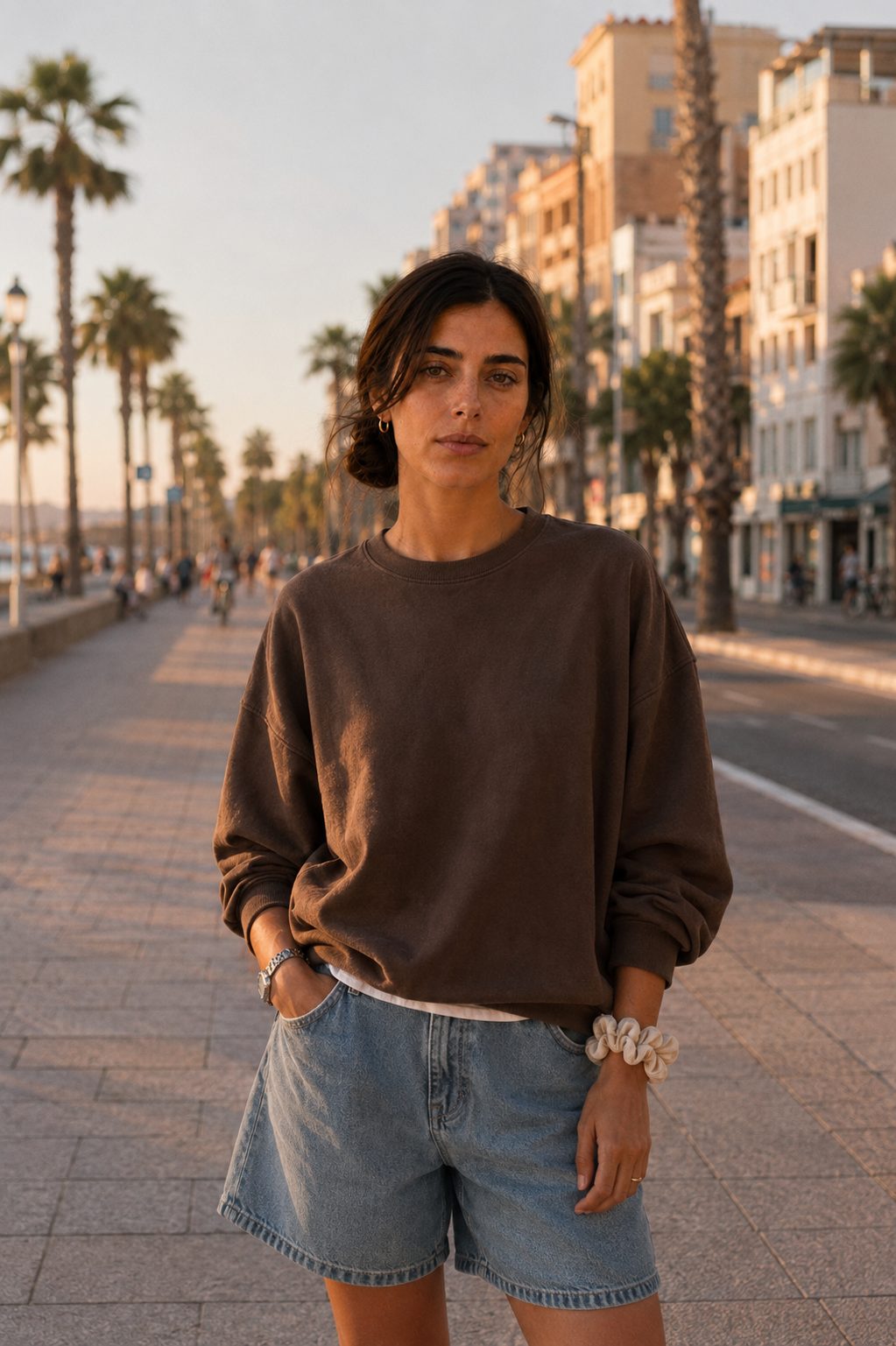
Meet Ona.
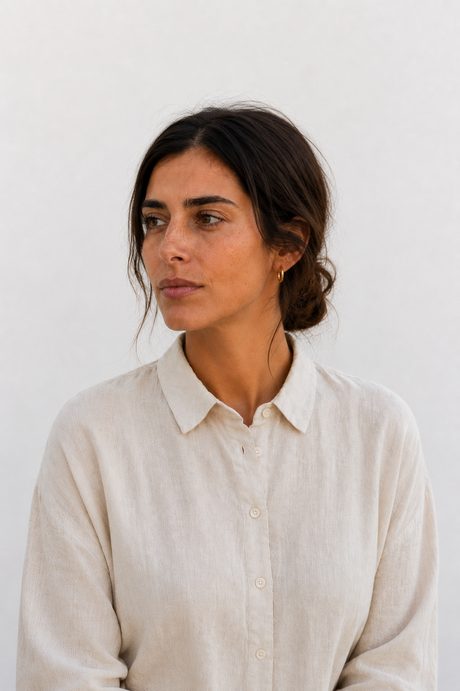
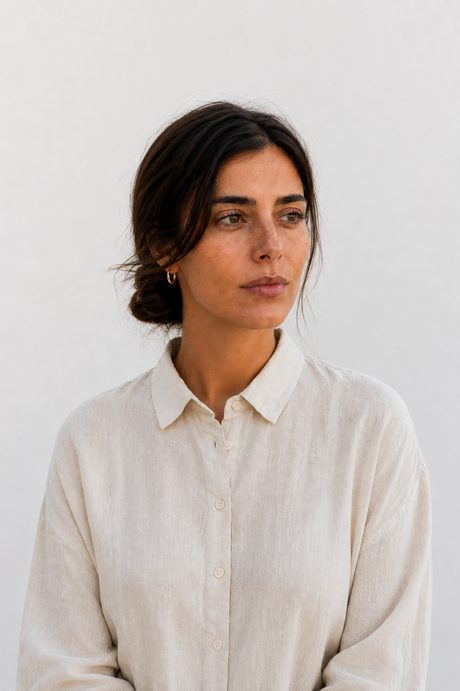
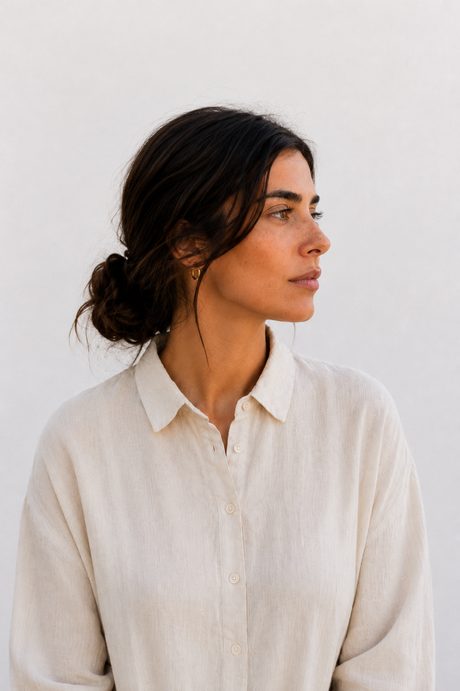
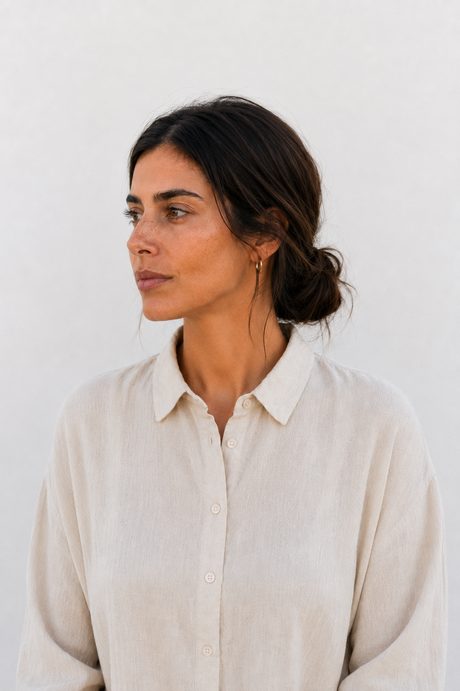
A fictional person, created to understand generative AI by directing one instead of just generating images.
One problem I couldn't shortcut.
Most AI experiments are one-offs: a good image, then the next prompt. I wanted the opposite — one creative problem I'd stay with long enough to actually learn something.
So I invented a person, Ona, with a single rule: keep her consistent. Same face, same personality, same world, across every image, outfit and, eventually, video.
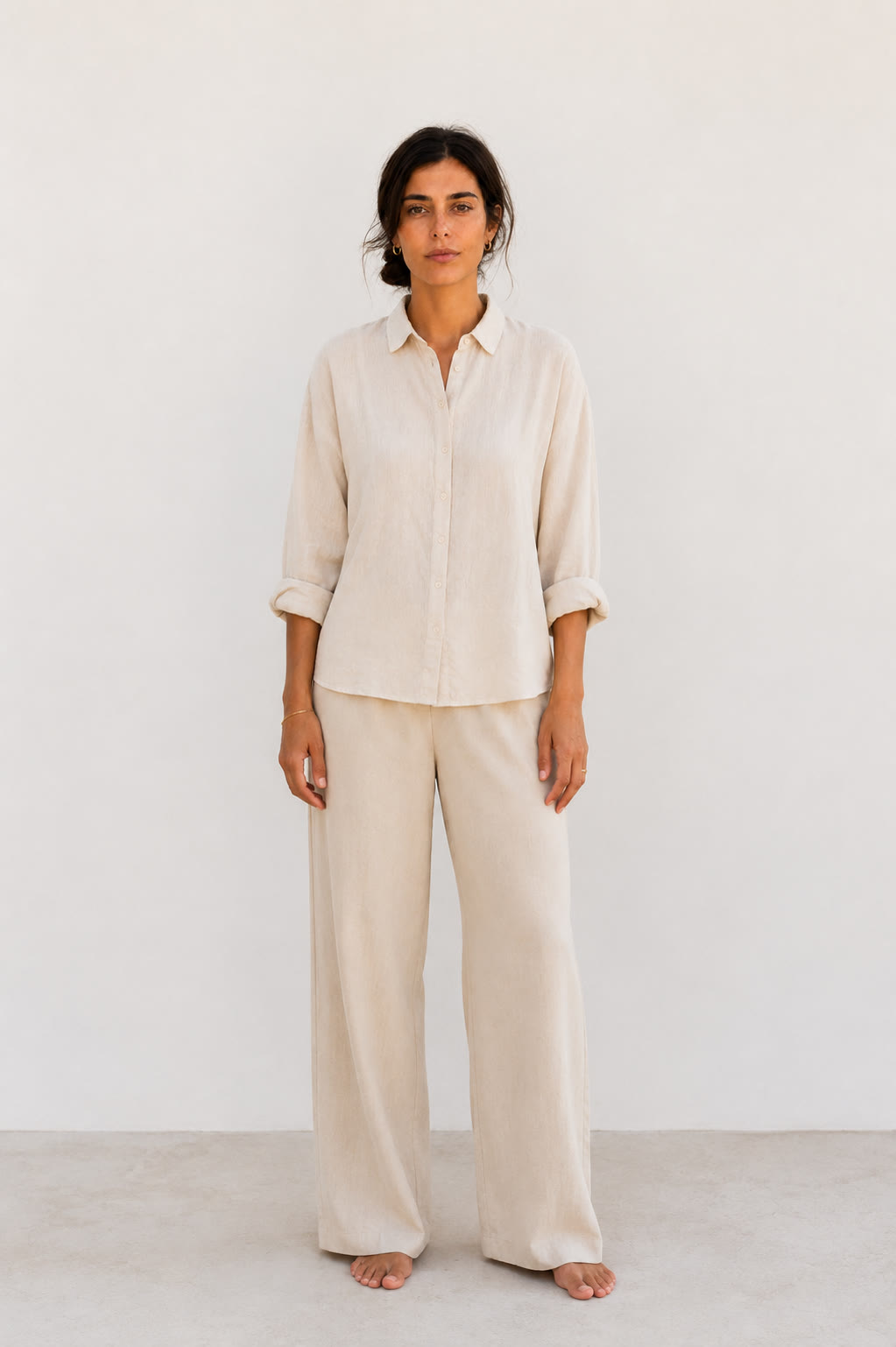
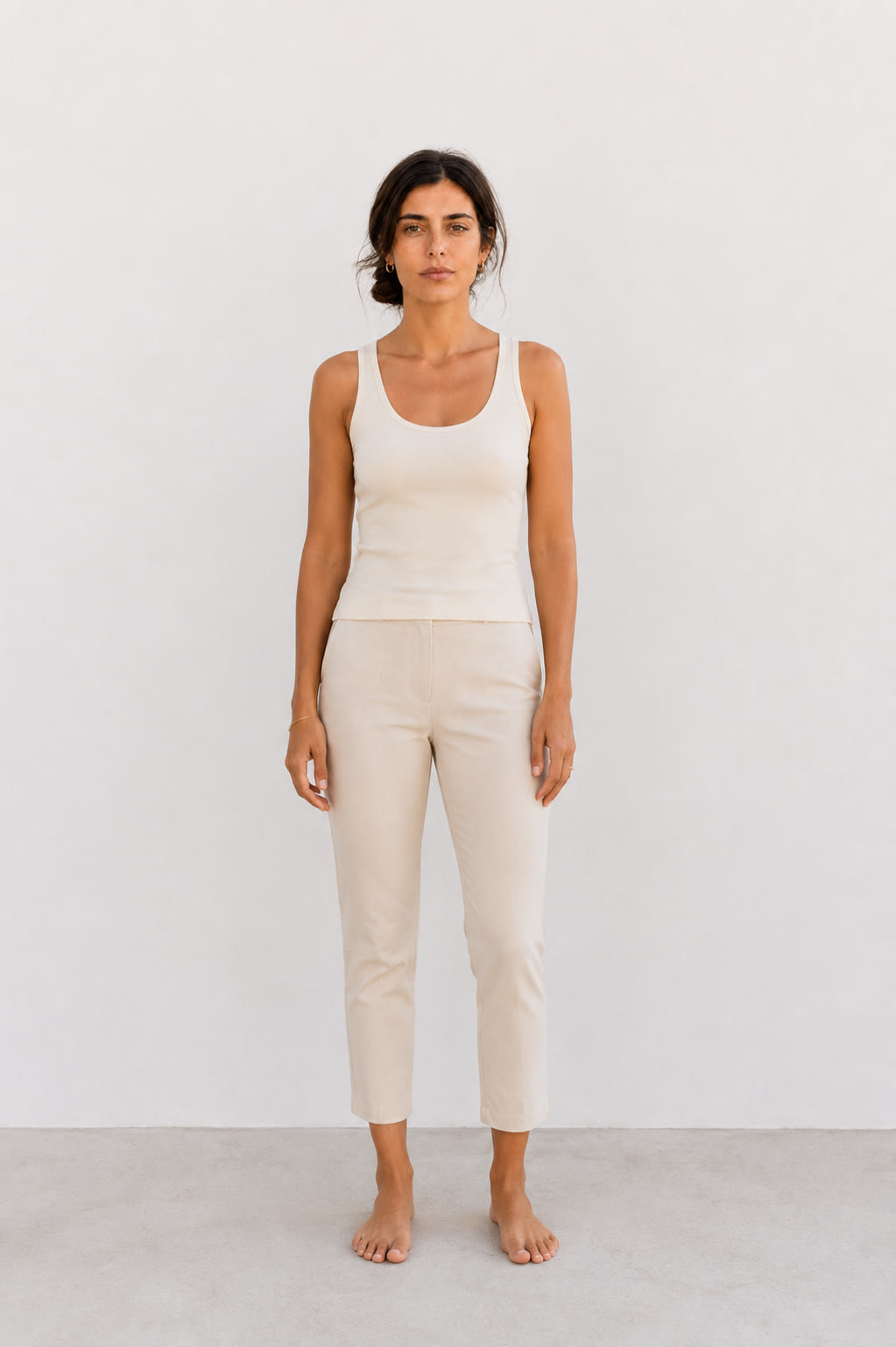
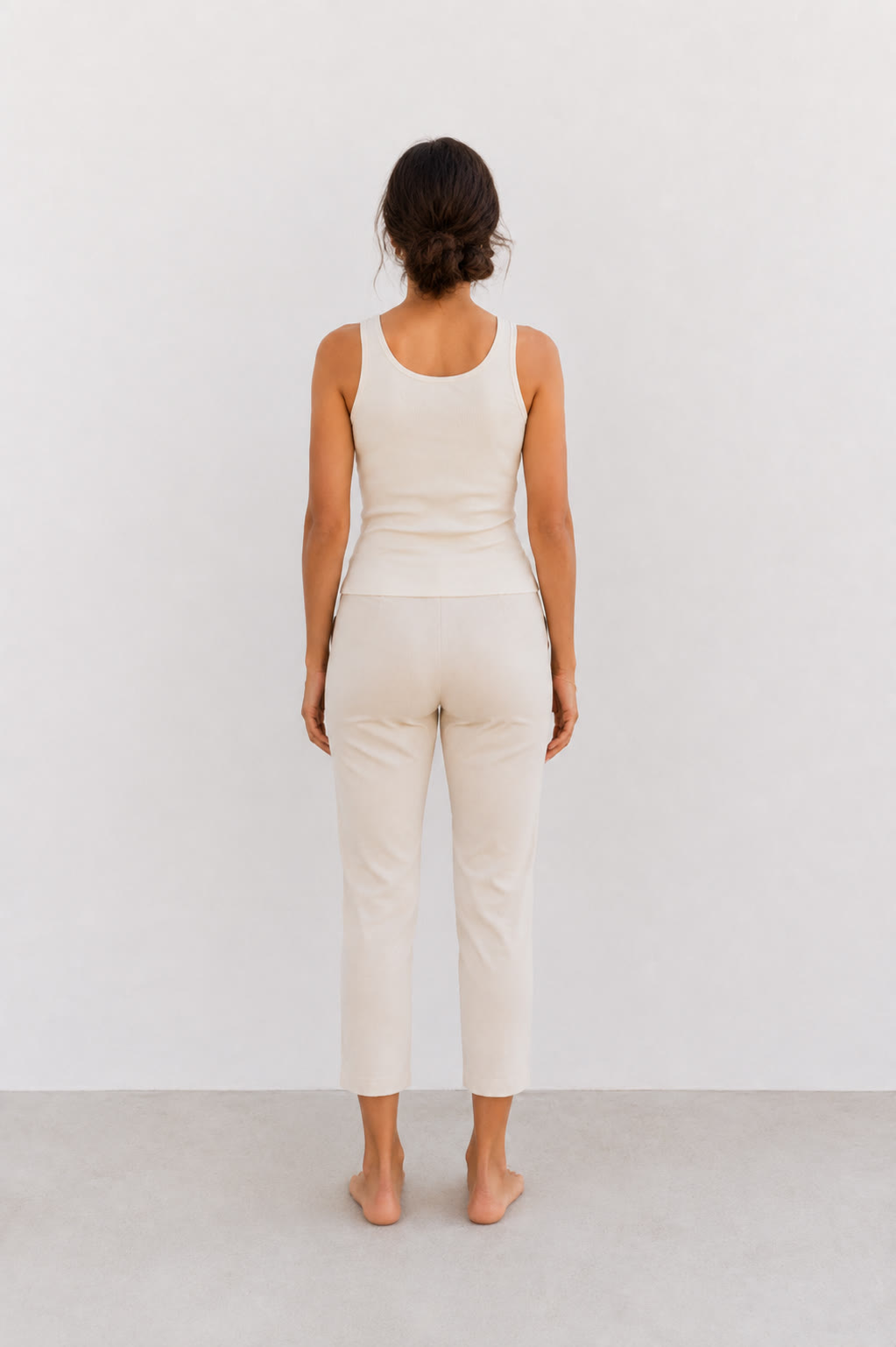
She started as a character, not a face.
Before generating anything, I wrote her down: Ona, 32, a creative director from Barcelona who reads more than she posts. Curious, a little reserved, warm once you know her — with a voice, a wardrobe and a way of framing a photo.
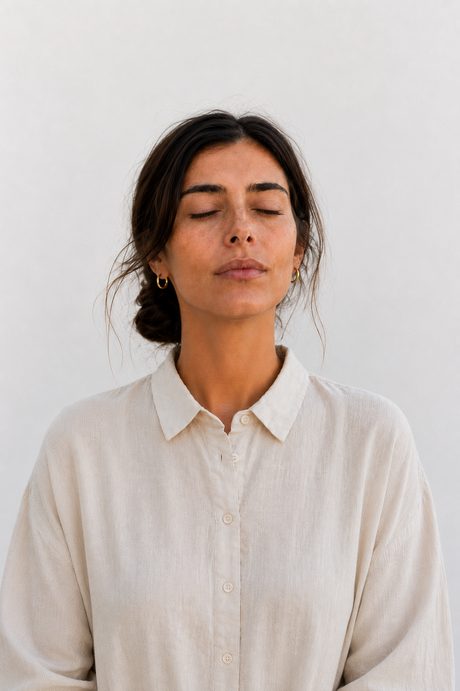
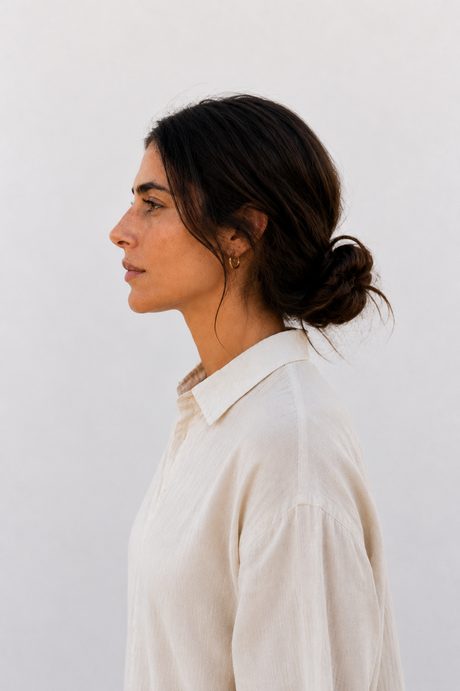
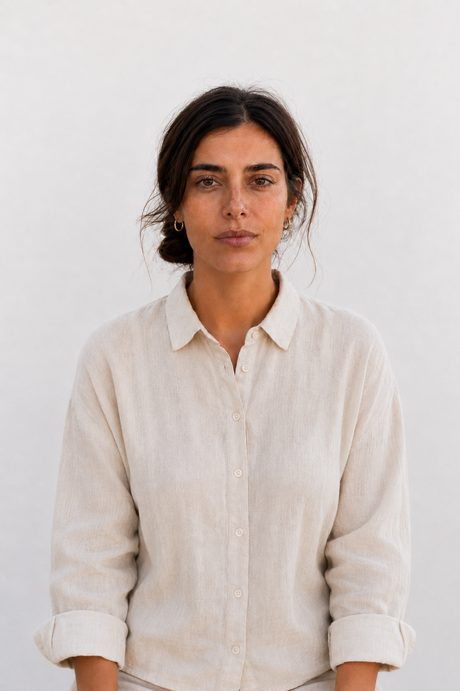
Only then did I build her face, as a reference system rather than a lucky render: a full set of angles, expressions and lighting to return to, so “Ona” always meant the same person.
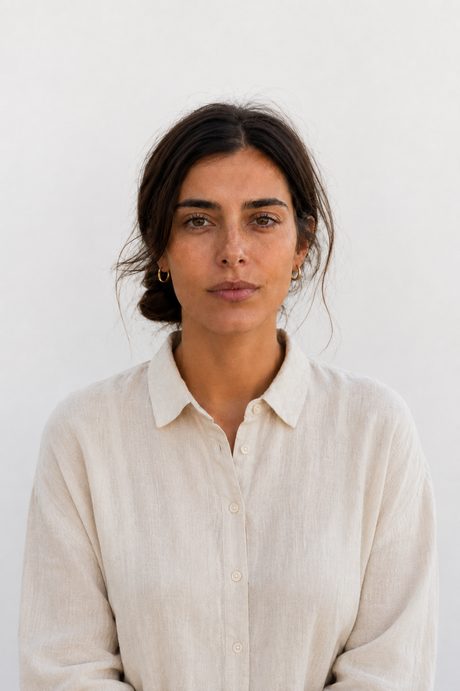
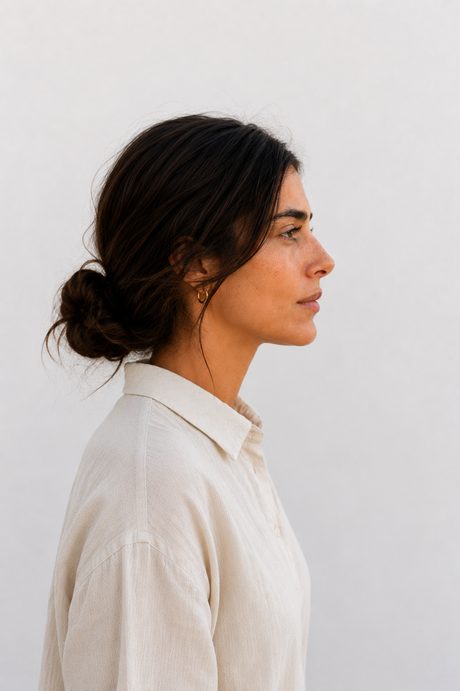
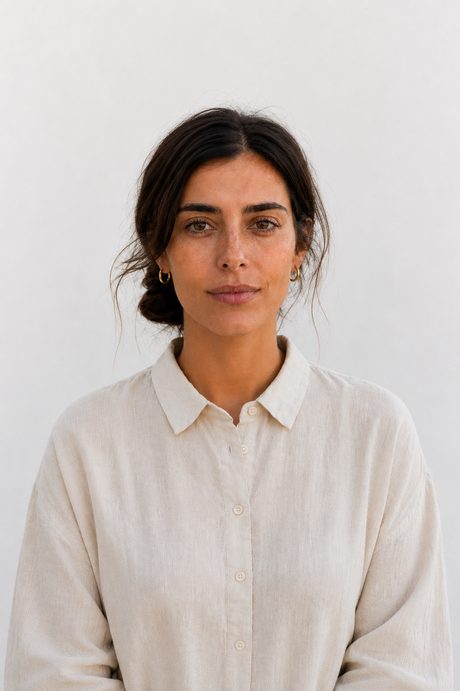
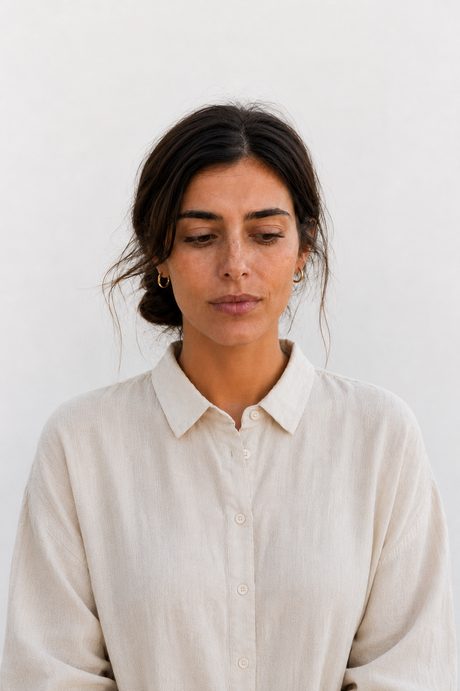
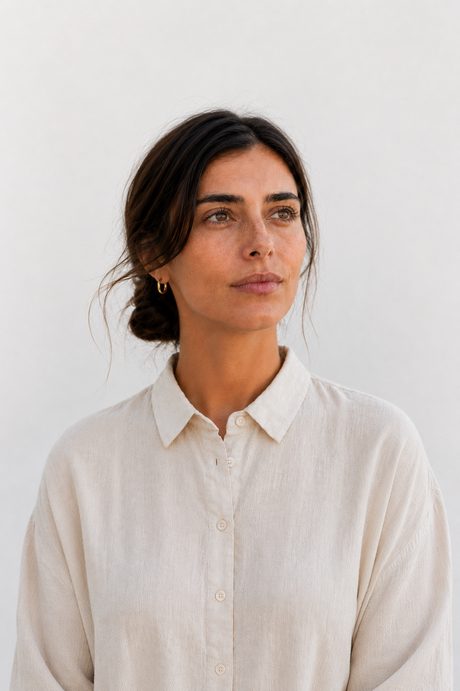
A person needs a place to be believable.
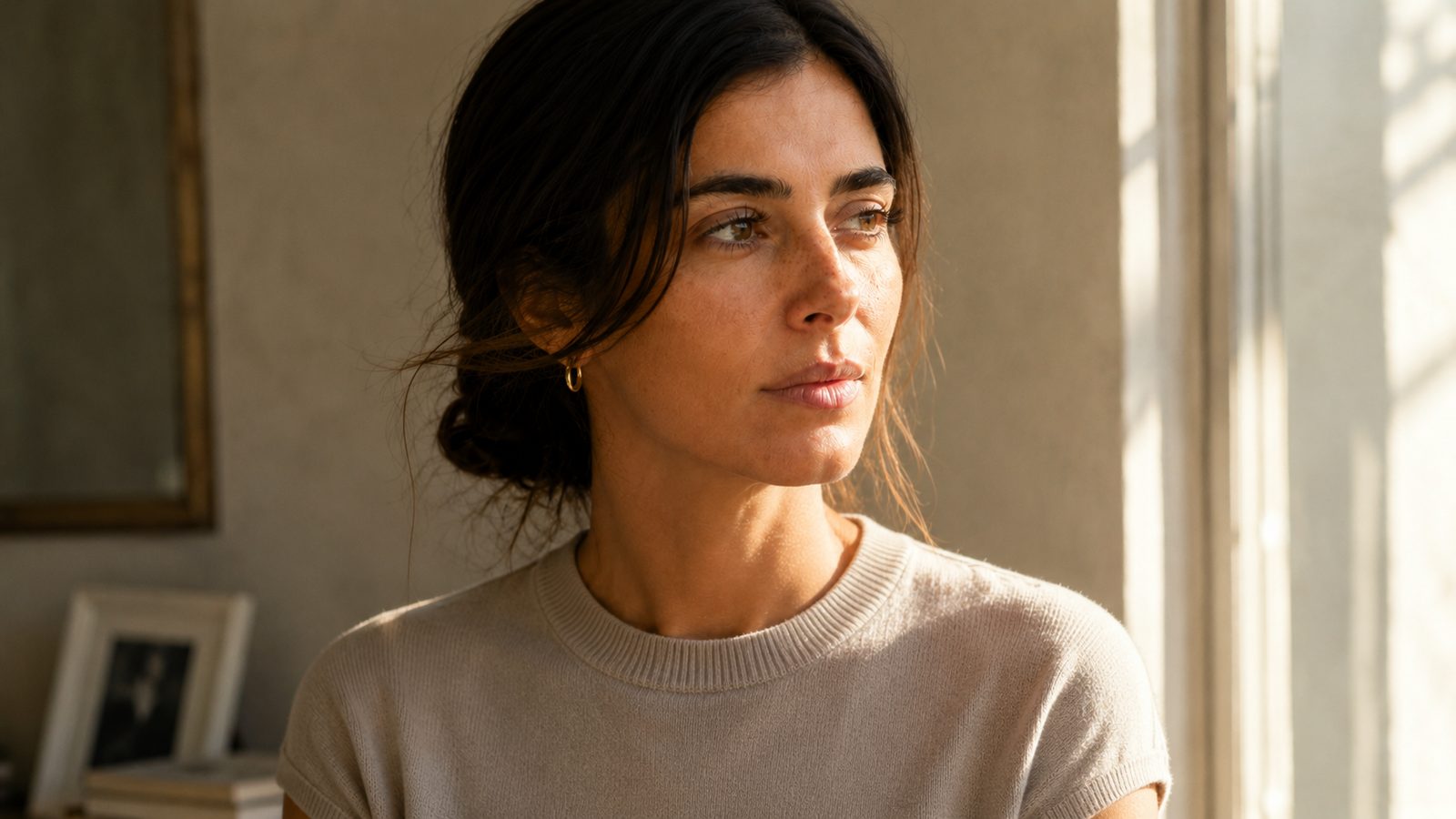
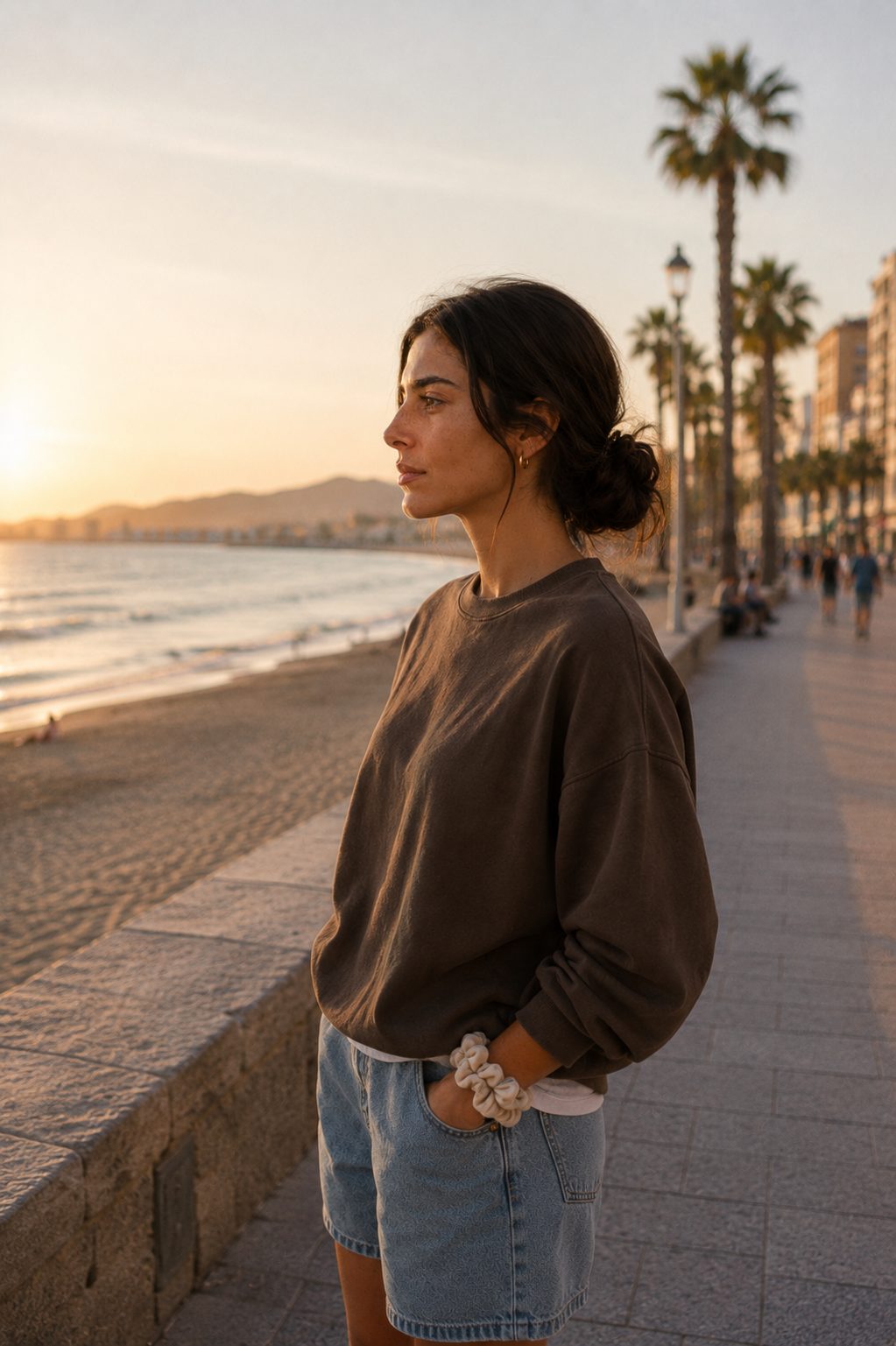
Gràcia streets, corner cafés, her apartment, the sea at the end of the day. Warm light, worn materials, muted colour, directed to feel shot rather than generated. The world became part of who she is, not a backdrop behind her.
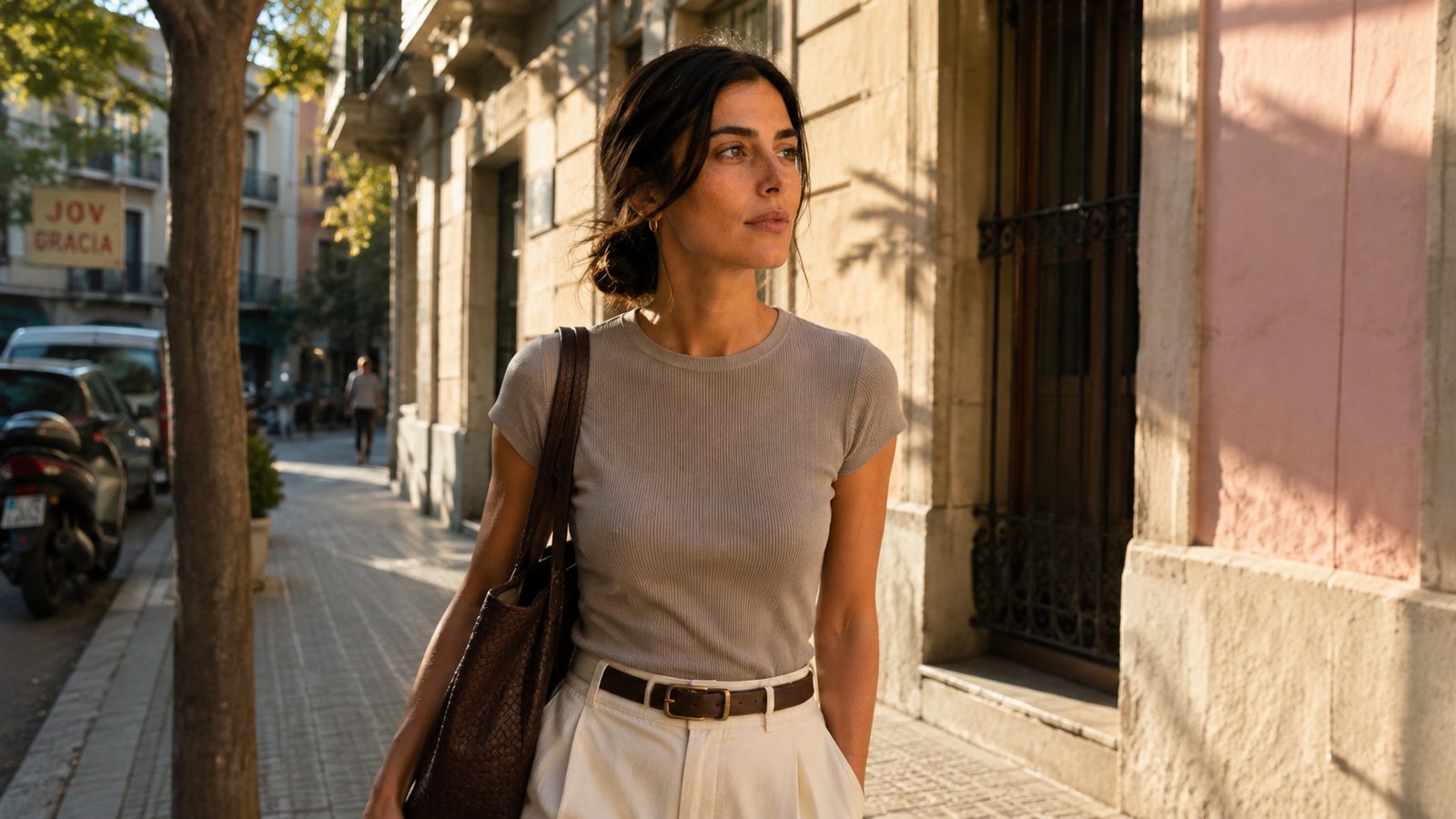
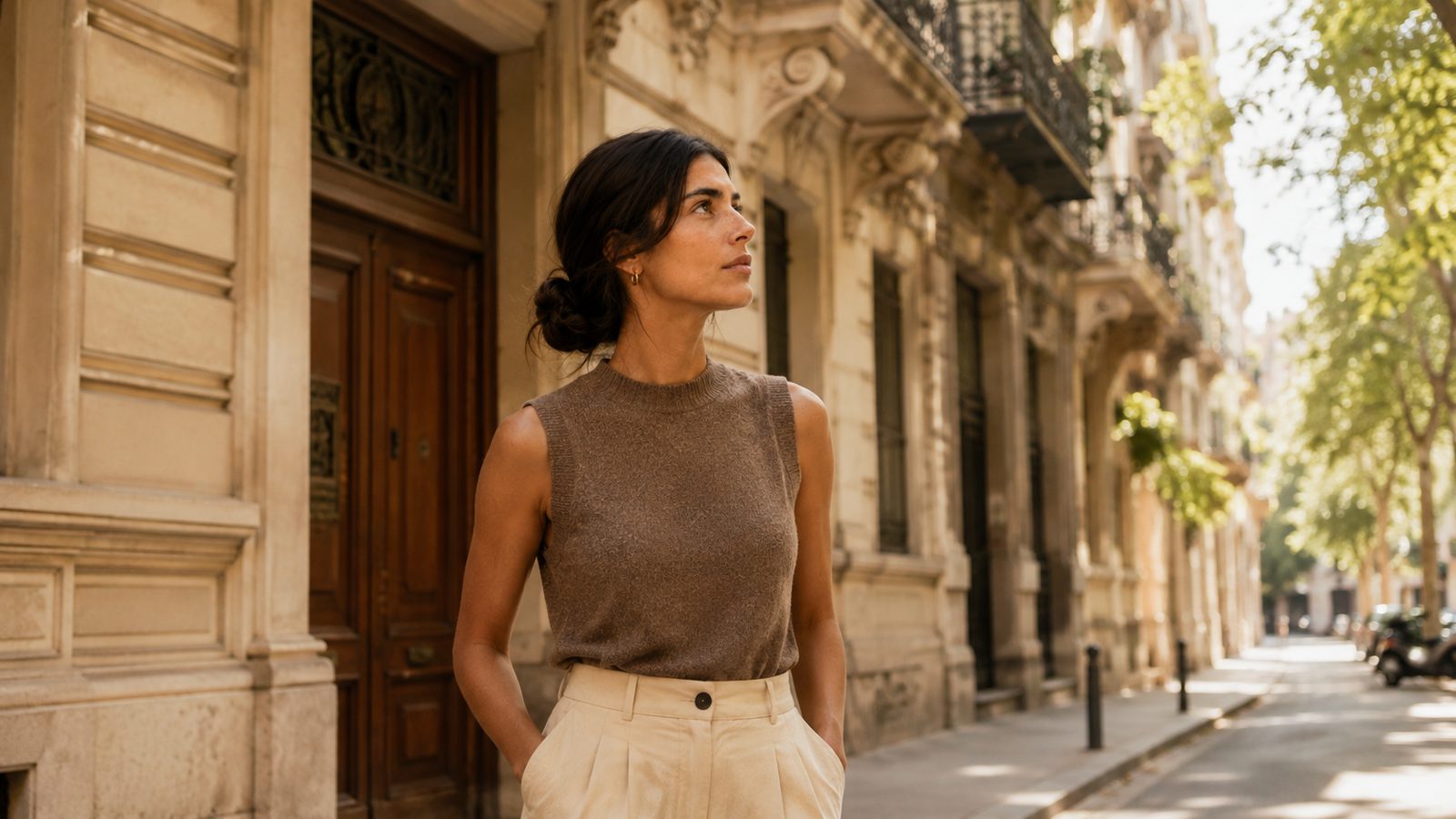
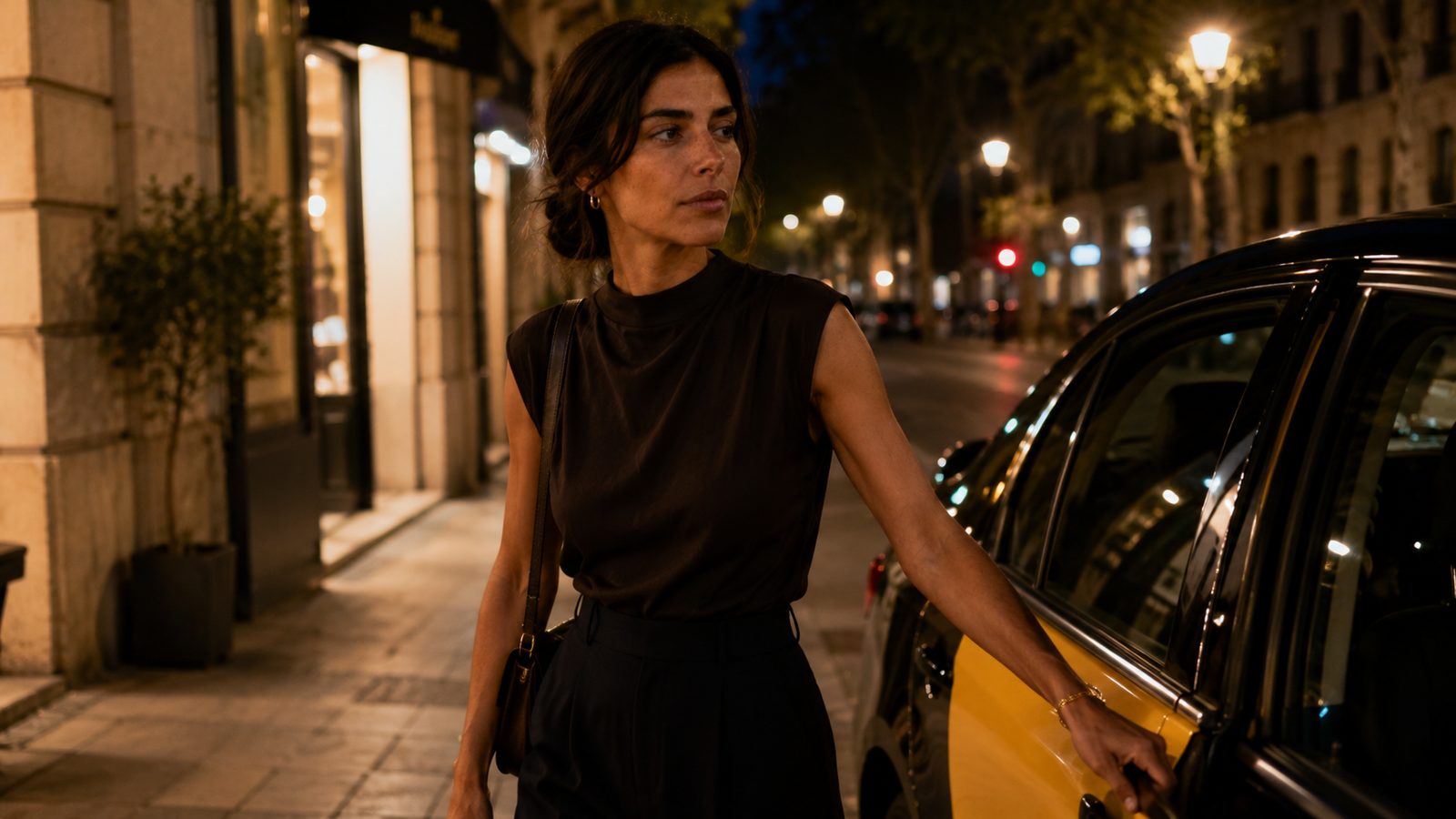
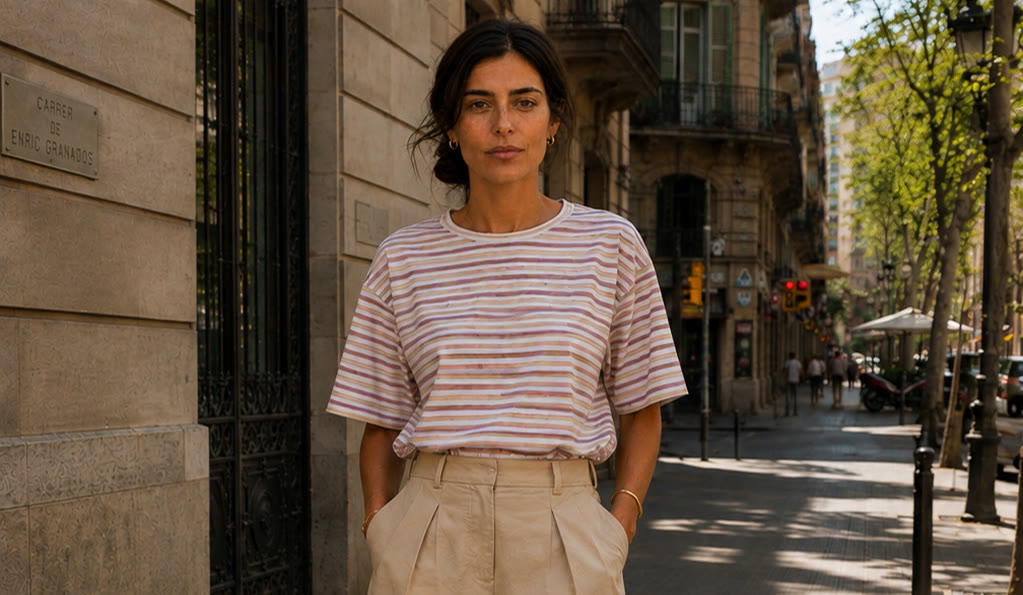
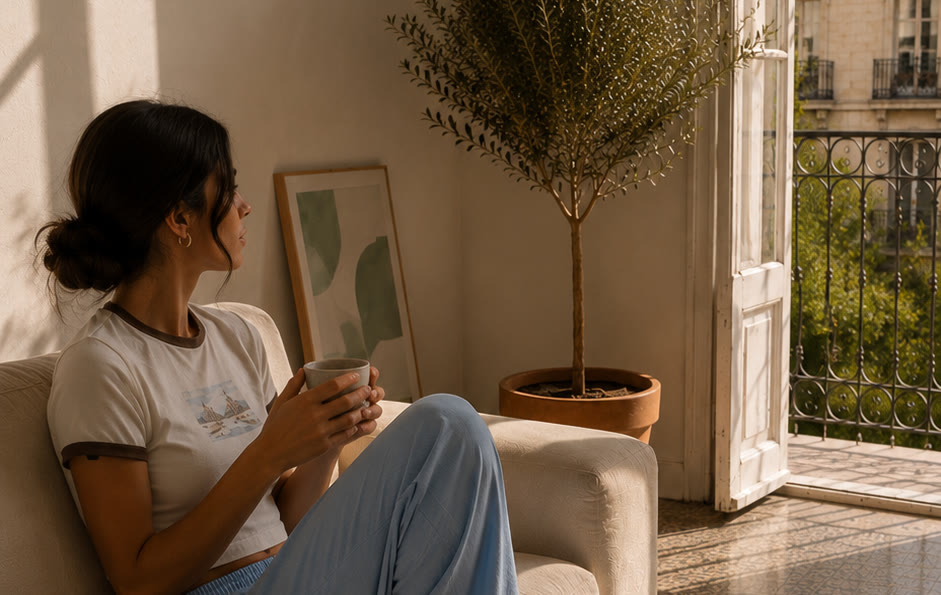
The hard part wasn't creating Ona.
It was keeping her Ona.
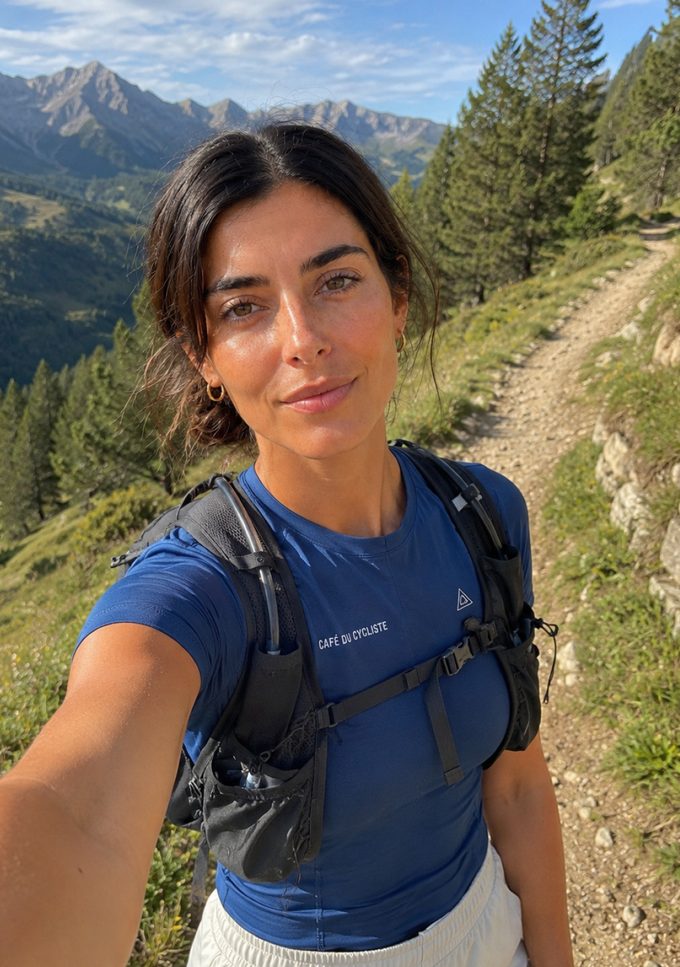
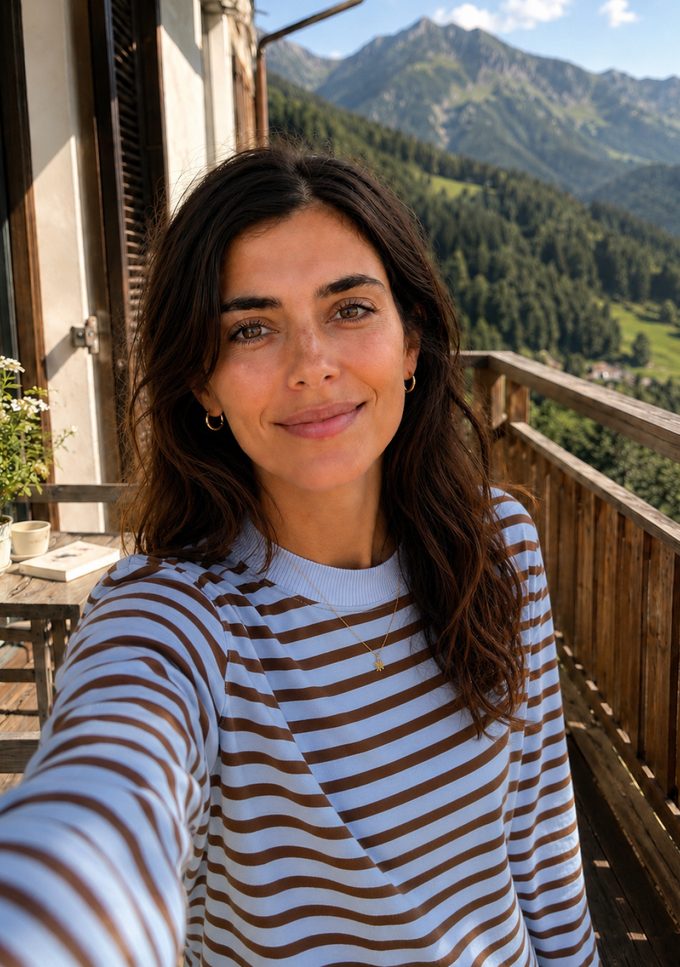
Change the location, the light, the distance, the outfit or the tool, and the model quietly drifts into someone else. Consistency wasn't a prompt, it was a routine.
Then she started to move.
Stills became clips, clips became short scenes. Motion brought a different set of decisions: timing, gesture, camera, continuity, editing. The project turned from making images into directing them.
Making got fast. Deciding got harder.
- Consistency is a design problem, not a prompt — it comes from references, iteration and selection.
- Generative tools produce options fast; someone still has to choose the ones that belong to the idea.
- Going from image to video is a different craft: timing, movement and continuity, not just a better render.
Ona taught me to direct these tools instead of being surprised by them, and to hold an idea steady while the medium keeps shifting under it. That's what I bring to real client work now.
Workflow — different tools solved different parts of the problem: writing and directing, image, motion, editing. Building the workflow mattered more than any single tool.
Ona is still evolving. And that's the point.